Get Gutter Rerouting
Gutter rerouting services help property owners fix drainage issues by redirecting gutters away from foundations, replacing damaged sections, or customizing gutter paths to prevent water damage.
Property owners in the area considering gutter rerouting often seek practical solutions to improve drainage and protect their buildings from water damage. Whether due to changes in the landscape, new construction, or aging infrastructure, rerouting gutters can help ensure rainwater flows away from foundations and landscaping effectively. This page is designed to assist those exploring their options by connecting them with local contractors experienced in gutter rerouting, enabling informed decisions based on the specific needs of their property.
Comparing local service providers can provide valuable insights into the available approaches and methods for gutter rerouting. Property owners can review different options, ask questions about the scope of work, and find reputable contractors who understand the unique requirements of the local area. Continuing to explore this page can help identify the right professionals to handle the project efficiently and effectively.
- Gutter rerouting - needed when existing gutters no longer direct water properly due to structural changes or damage.
- Gutter rerouting - required if new roofing or siding installations impact the current gutter system.
- Gutter rerouting - necessary when drainage issues cause water to flow toward the foundation or unwanted areas.
- Gutter rerouting - appropriate when property modifications alter the landscape and affect gutter alignment.
- Gutter rerouting - useful for homeowners experiencing overflow or leaks due to improper gutter positioning.
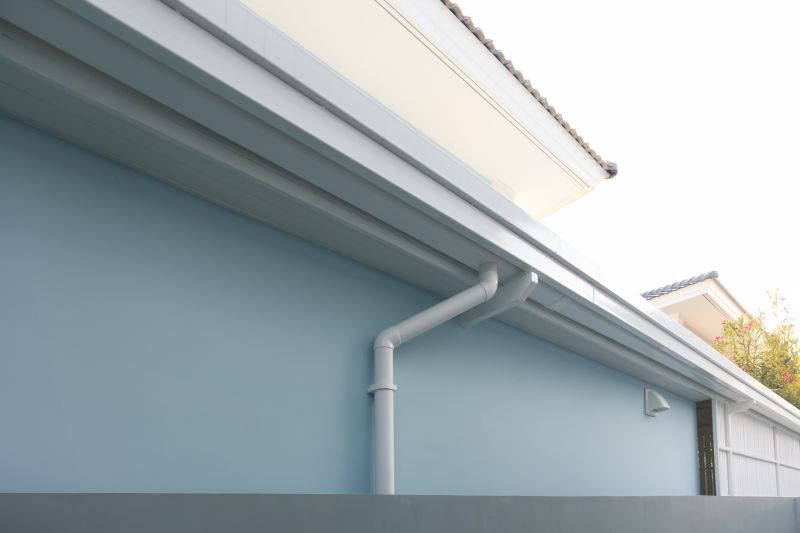

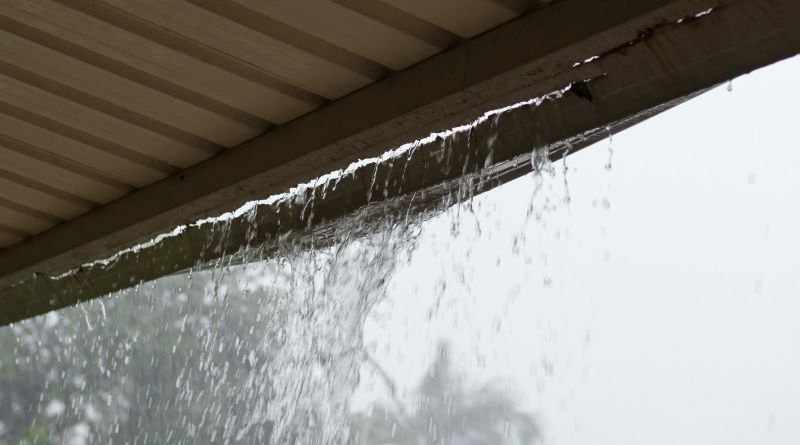
Gutter rerouting services involve adjusting the path of existing gutter systems to ensure proper drainage away from a property's foundation. This process typically includes disconnecting the current gutters and installing new sections that direct water to designated drainage areas, such as underground pipes or specific yard zones. The goal is to improve water flow, prevent overflow, and reduce the risk of water-related damage to the home’s structure. Skilled service providers can evaluate the current gutter layout and recommend rerouting solutions that enhance overall performance and longevity.
Many common problems can be addressed through gutter rerouting. Overflowing gutters, water pooling near the foundation, basement leaks, and soil erosion are signs that rerouting might be necessary. When gutters are improperly positioned or too close to the house, they can cause water to seep into walls or undermine the foundation over time. Rerouting helps to eliminate these issues by ensuring that rainwater is effectively channeled away from vulnerable areas, protecting the property’s integrity and reducing the need for costly repairs in the future.
This service is often used on a variety of property types, including older homes with outdated gutter systems, new construction projects, and properties with challenging landscape features. Commercial buildings, multi-family residences, and properties with complex rooflines or landscaping may also benefit from gutter rerouting. Homeowners who notice persistent water damage, foundation cracks, or landscaping erosion should consider consulting with local contractors to explore rerouting options. These professionals can assess the property’s specific needs and recommend solutions tailored to its design and drainage challenges.
Choosing to reroute gutters can be a practical step for homeowners looking to improve their property’s drainage system. When gutters are poorly positioned, clogged, or unable to handle heavy rainfall, rerouting offers a way to prevent water from causing damage. By working with experienced local service providers, property owners can ensure that their gutter systems are optimized for effective water management. Contacting a professional can help determine if gutter rerouting is a suitable solution for addressing current drainage issues and protecting the home’s foundation over time.
The overview below groups typical Gutter Rerouting projects into broad ranges so you can see how smaller, mid-sized, and larger jobs often compare in your area.
In many markets, a large share of routine jobs stays in the lower and middle ranges, while only a smaller percentage of projects moves into the highest bands when the work is more complex or site conditions are harder than average.
Smaller Repairs - minor gutter rerouting jobs typically cost between $250 and $600. Many routine adjustments fall within this range, especially for straightforward rerouting tasks. Larger or more complex repairs may push costs higher but remain less common.
Standard Rerouting Projects - for most common gutter rerouting services, local contractors usually charge between $600 and $1,500. This range covers typical residential projects with moderate complexity and scope. Projects that are more involved tend to fall into higher tiers.
Major Rerouting or Custom Installations - extensive rerouting work or custom gutter solutions can range from $1,500 to $3,500. These projects are less frequent and often involve additional materials or structural modifications.
Full Replacement and Complex Systems - complete gutter rerouting or large-scale system overhauls can reach $3,500 to $5,000 or more. Such projects are less common and usually involve significant planning and labor from local service providers.
Actual totals will depend on details like access to the work area, the scope of the project, and the materials selected, so use these as general starting points rather than exact figures.
Gutter Maintenance and Cleaning - Professionals who clean and maintain gutters often have skills in rerouting and adjusting gutter systems to ensure proper drainage and prevent blockages.
Roofing Repairs and Installations - Roofing contractors frequently handle gutter connections and can assist with rerouting gutters during roof replacements or repairs.
Home Exterior Renovations - Exterior remodeling projects involve planning and executing gutter adjustments to match new siding, trim, or architectural features.
Downspout and Drainage System Installation - Installing or upgrading downspouts complements gutter rerouting, ensuring effective water flow away from foundations.
Soffit and Fascia Repairs - Repair work on soffits and fascias often requires gutter adjustments, making these contractors familiar with rerouting techniques.
Landscape Drainage Projects - Landscape contractors designing drainage solutions may coordinate with gutter rerouting to manage water runoff effectively.
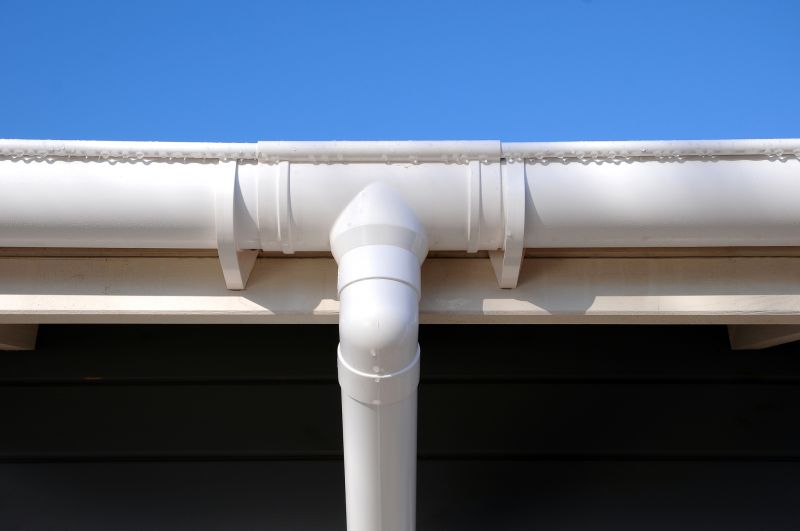
When comparing service providers for gutter rerouting projects, it’s important to consider their experience with similar types of work. Homeowners should inquire about how many gutter rerouting jobs the contractor has completed and whether they have handled projects of comparable scope and complexity. An experienced contractor is more likely to understand the nuances of proper installation, drainage considerations, and material selection, which can contribute to a successful outcome. Ensuring that a local contractor has a proven track record with similar projects can provide added confidence in their ability to meet expectations.
Clear, written expectations are essential when evaluating potential service providers. Homeowners should seek detailed estimates or proposals that outline the scope of work, materials to be used, and any specific steps involved in the rerouting process. Having these expectations documented helps prevent misunderstandings and ensures that both parties are aligned on the project’s objectives. It’s also beneficial to ask how the contractor communicates updates and handles questions throughout the process, as transparency and clarity can contribute significantly to a smooth experience.
Reputable references and good communication are key factors in selecting a reliable local contractor. Homeowners can ask service providers for references from previous clients who had similar gutter rerouting work done. Contacting these references can provide insights into the contractor’s professionalism, quality of work, and adherence to commitments. Additionally, observing how promptly and clearly the contractor responds to inquiries during the initial stages can indicate their level of professionalism. Choosing a local service provider known for dependable communication and positive references can help ensure the project proceeds efficiently and to satisfaction.
Property owners use Gutter Rerouting services for practical projects around their homes and businesses. This guide focuses on everyday jobs and straightforward project options.
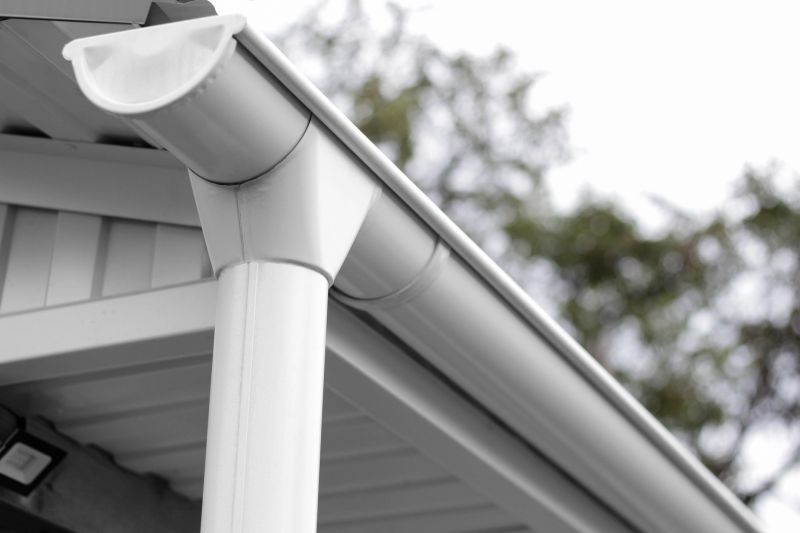
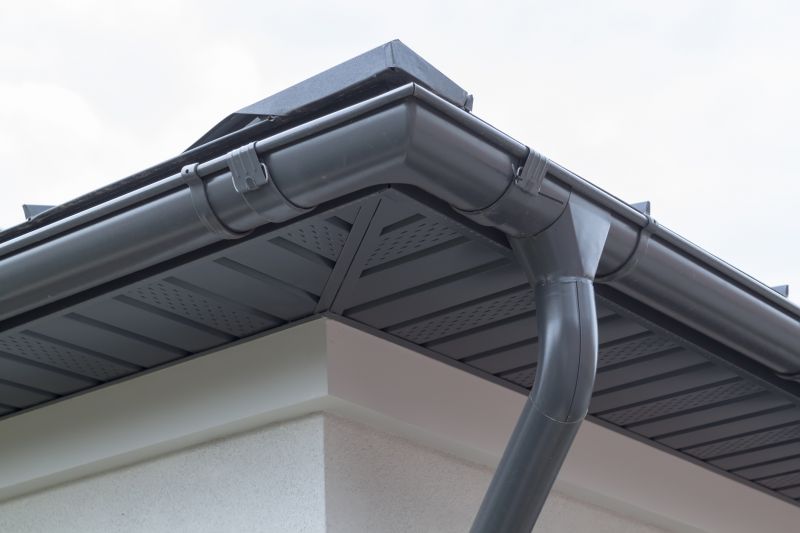
Gutter rerouting services are often needed when property owners notice issues like water pooling around their foundation, overflowing gutters during heavy rain, or damaged gutters that no longer direct water effectively away from the building. These everyday situations can lead to water damage, basement flooding, or landscape erosion, prompting homeowners and business owners to seek professional assistance. Local contractors who specialize in gutter rerouting can evaluate the current setup and provide solutions that help protect the property from water-related problems.
Property owners in the area might also look for gutter rerouting if they’re undertaking renovations, installing new landscaping, or adding extensions to their buildings. Changes to the property’s structure or landscape can impact how water flows around the property, making rerouting necessary to ensure proper drainage. Local service providers are equipped to handle these adjustments, helping to improve water management and prevent potential damage caused by improper gutter placement or outdated systems.
What is gutter rerouting? Gutter rerouting involves relocating existing gutters to a different position on a building to improve drainage or address structural issues.
Why might gutter rerouting be necessary? Gutter rerouting may be needed to prevent water damage, improve drainage flow, or accommodate changes to the building's design or landscape.
How do local contractors determine if rerouting is suitable? Contractors assess the current gutter system, roof layout, and property landscape to decide if rerouting will effectively solve drainage problems.
What are common reasons to reroute gutters? Common reasons include preventing basement flooding, protecting siding, and redirecting water away from foundations or walkways.
Can gutter rerouting be combined with other gutter services? Yes, gutter rerouting can often be paired with gutter installation, repair, or cleaning to ensure optimal performance.
Improve Drainage Flow - Gutter rerouting helps ensure rainwater is directed away from foundations and walkways, reducing potential water damage.
Prevent Basement Flooding - Proper rerouting of gutters can direct water runoff to appropriate drainage areas, minimizing the risk of basement leaks.
Protect Landscaping - Adjusting gutter paths can prevent water from pooling on flower beds or lawns, preserving garden health.
Address Structural Concerns - Re-routing gutters can help manage water flow around building exteriors, reducing erosion and structural wear.
If you are thinking about Gutter Rerouting for a property, this guide is meant to help you understand the work, the typical project types, and how different options might fit your plans.
When you are ready, you can use the quote form on this page to share a few details about your project. From there, local pros can review the basics and respond with options that match what you have in mind.